The Agency Challenge

Digital agencies juggle multiple clients, tight deadlines, and diverse project types simultaneously. Most rely on a patchwork of tools — one for project management, another for invoicing, a third for CRM, and spreadsheets to tie everything together. This fragmentation leads to missed deadlines, billing errors, and poor visibility into profitability. As agencies grow, these problems compound exponentially.
One Platform, Every Workflow
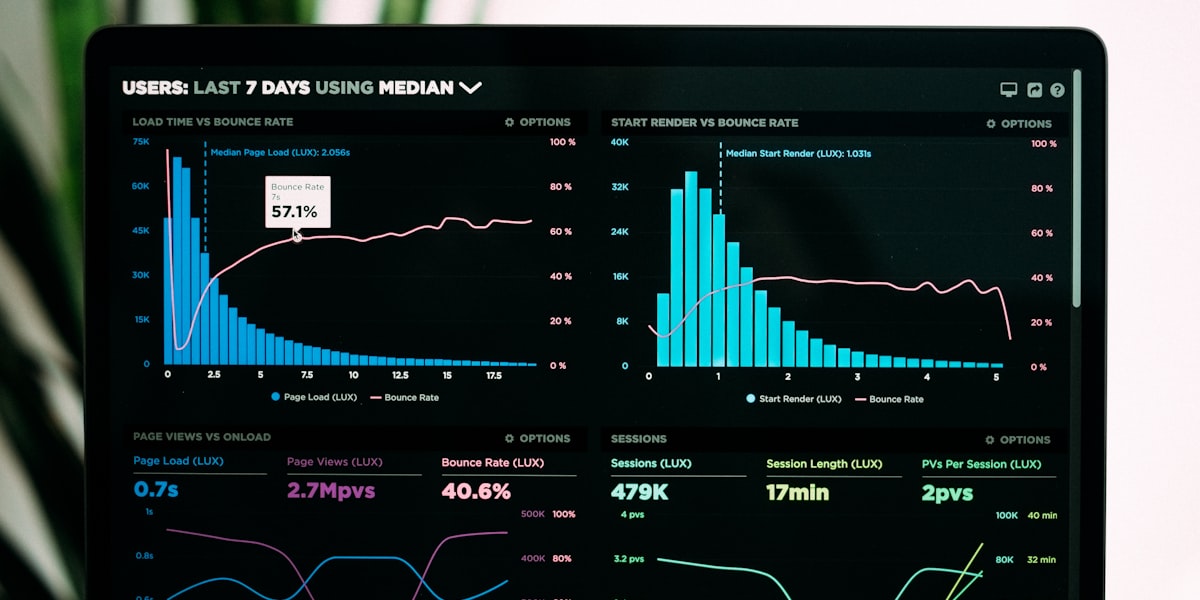
CubicleERP brings client management, project tracking, resource allocation, time logging, and invoicing into a single unified platform. Agencies can see the full picture — from initial client pitch to final invoice — without switching between tools. Custom dashboards give account managers real-time visibility into project health, team utilization, and revenue forecasts.
- Unified client and project management
- Automated time tracking and billing
- Resource allocation with capacity planning
- Real-time profitability dashboards
- Client portal for transparent collaboration
Case Study: PixelForge Creative
PixelForge Creative, a 45-person digital agency based in Austin, switched to CubicleERP after outgrowing their previous tool stack. Within 3 months, they reduced administrative overhead by 35%, improved project delivery timelines by 28%, and gained full visibility into per-client profitability for the first time. Their operations manager credits the unified platform for enabling them to take on 40% more clients without adding headcount.
“Before Cubicle, we had no idea which clients were actually profitable. Now we have real-time margins on every project. It completely changed how we price and prioritize work.”
Key Takeaways for Agencies
The most successful agencies on our platform share common traits: they centralize all operations in one tool, automate repetitive billing and reporting tasks, and use data to make strategic decisions about which clients and services to prioritize. Whether you're a boutique consultancy or a full-service agency, CubicleERP adapts to your workflow — not the other way around.
- Centralize operations to eliminate tool fragmentation
- Automate billing cycles to reduce errors by 90%
- Use profitability data to guide strategic decisions
- Scale your team without scaling your tech stack